Precision Trenchless Repair of Multiple Wall Fractures in an 18-Inch RCP Storm Line
→ Resources → Case Studies
Precision Trenchless Repair of Multiple Wall Fractures in an 18-Inch RCP Storm Line
→ Resources → Case Studies
Market
DOT
Challenge
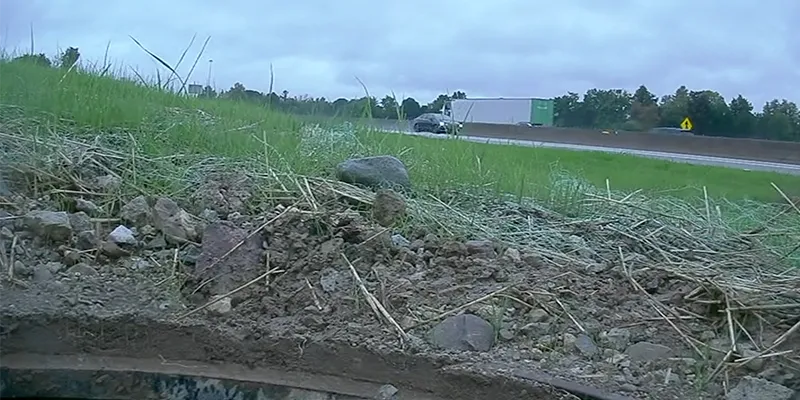
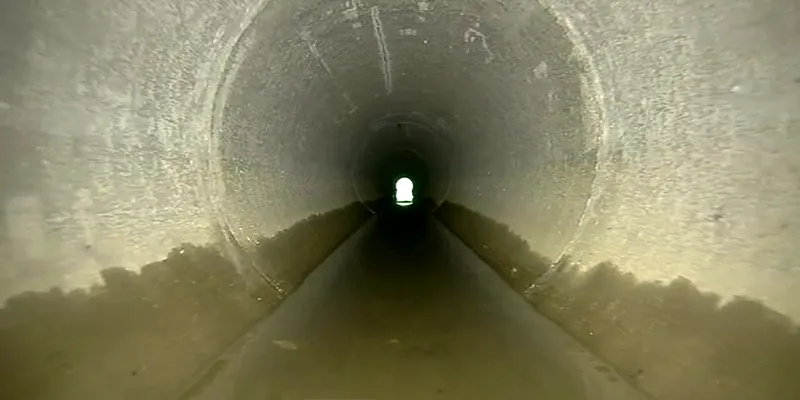
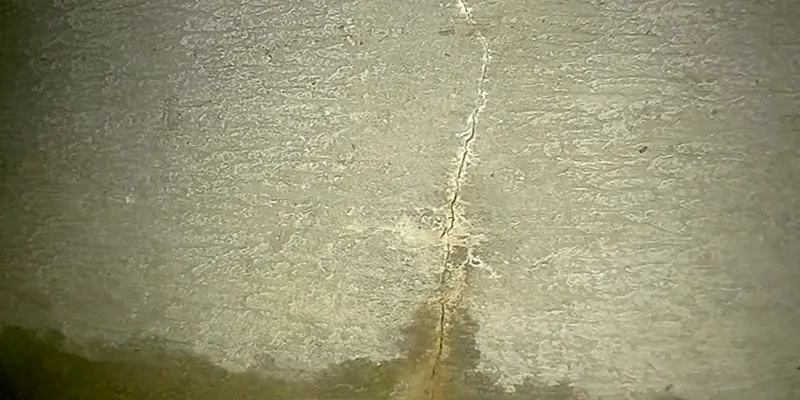
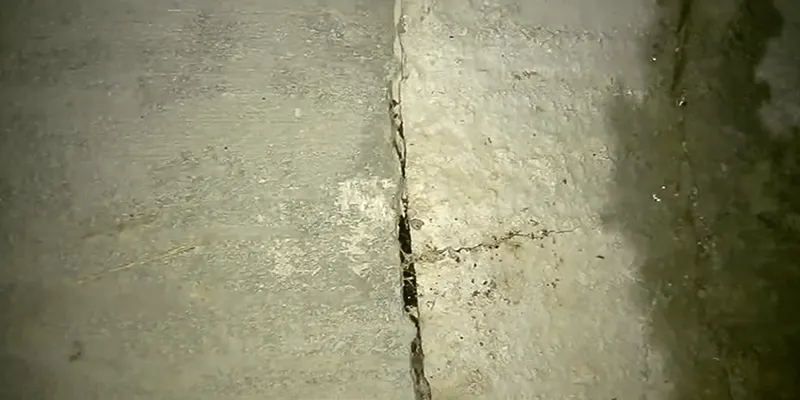
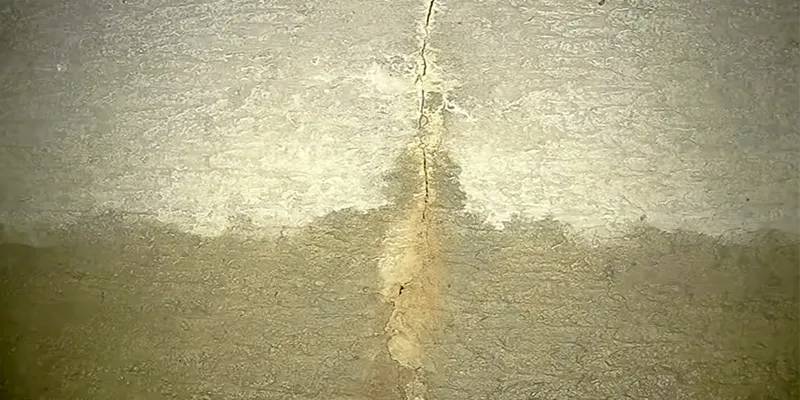
During a mandatory Ohio 611 post-installation CCTV inspection of a newly installed 18-inch reinforced concrete pipe (RCP) storm sewer, inspectors identified multiple pipe-wall fractures approximately 36 feet into the 75-foot run. Buried shallowly at just 2 to 4 feet beneath an active roadway, the fractured section also exhibited localized silt and stone accumulation along the invert (between the 5 and 7 o’clock positions), creating a 3% to 7.5% cross-sectional area loss. Catching these fractures during the 611 inspection phase was critical: left unaddressed, groundwater infiltration and soil migration through the cracked concrete would undermine the shallow roadbed and cause pavement settlement or sinkholes. However, open-cut excavation to replace the damaged pipe section meant tearing up brand-new roadway pavement and shutting down traffic.
Engineered Solution
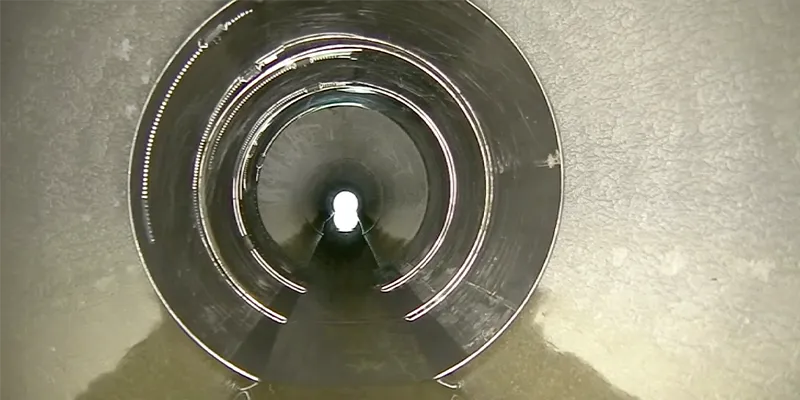
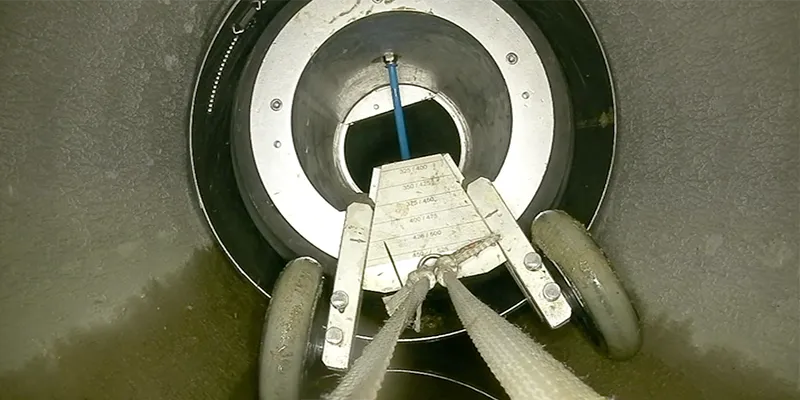
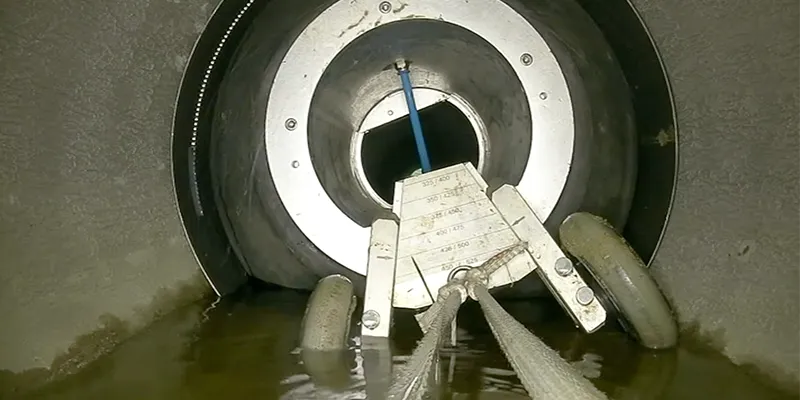
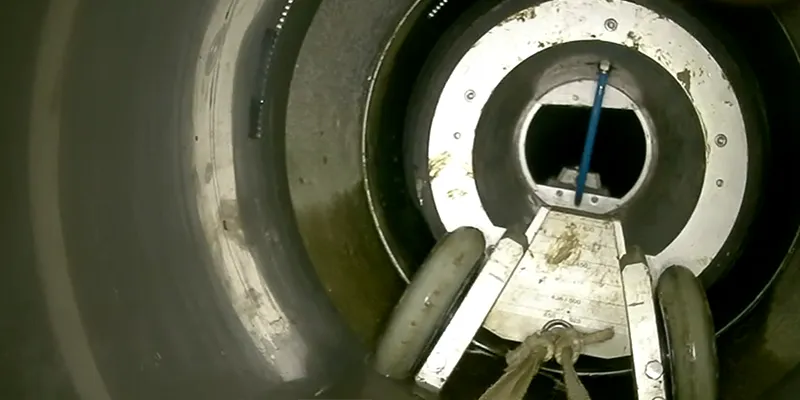
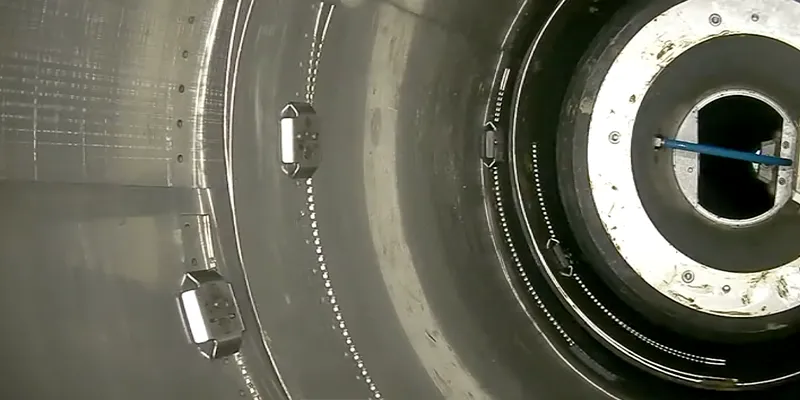
To seal the extended fracture zone without excavating the roadway, the contractor selected HydraLock, HydraTech’s unmanned mechanical internal pipe seal designed for non-man-entry pipes (8″ to 20″ diameters). Because the wall fractures spanned a wider area than a single seal could cover, the repair was engineered as a triple-seal installation, placing three 18-inch HydraLock sleeves edge-to-edge in series. Manufactured with a 40-durometer EPDM rubber sleeve, molded hydrophilic end O-rings, and a 316L stainless steel jacket with a ratchet-style locking mechanism (compliant with ASTM F3110), the three adjacent seals provided continuous, watertight coverage across the entire fractured span.
Scope
A single technician executed the entire installation in just three hours with minimal traffic disturbance. Operating remotely via live CCTV camera guidance, the technician loaded each 18-inch HydraLock assembly onto an inflatable packer and wheeled it 36 feet into the storm line. Each seal was carefully aligned edge-to-edge against the previous sleeve and expanded via the packer, compressing the EPDM rubber and hydrophilic O-rings tightly against the concrete wall while engaging the 316L stainless steel ratchet lock at the pipe crown. Once the third adjacent seal was locked into place, a final CCTV pass confirmed alignment across all fractures.
Solution
By installing three adjacent 18-inch HydraLock seals in series, a single technician permanently sealed the fractured RCP storm line in three hours without saw-cutting pavement or excavating the roadway. The targeted internal repair satisfied Ohio 611 inspection standards, halted potential soil migration before sinkholes could develop, and saved the project owner the substantial cost and schedule delay of digging up a newly paved road.