Stopping Contaminants From Entering The Pipe
→ Resources → Case Studies
Stopping Contaminants From Entering The Pipe
→ Resources → Case Studies

Market
Stormwater
Challenge
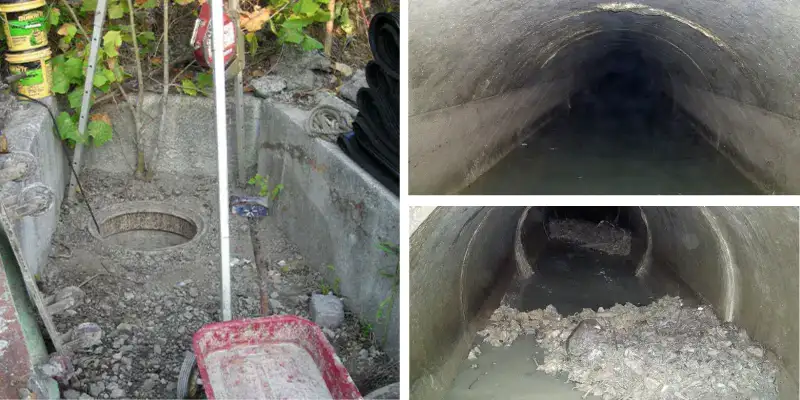
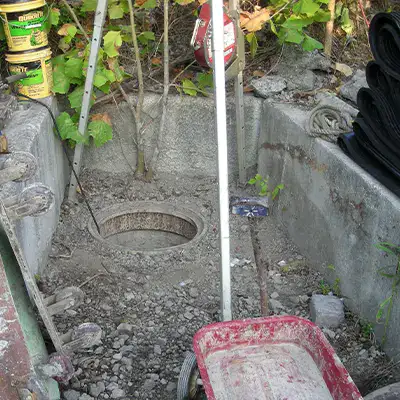
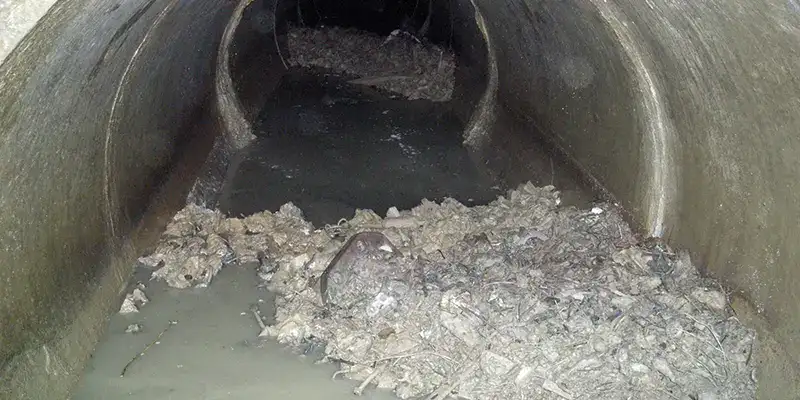
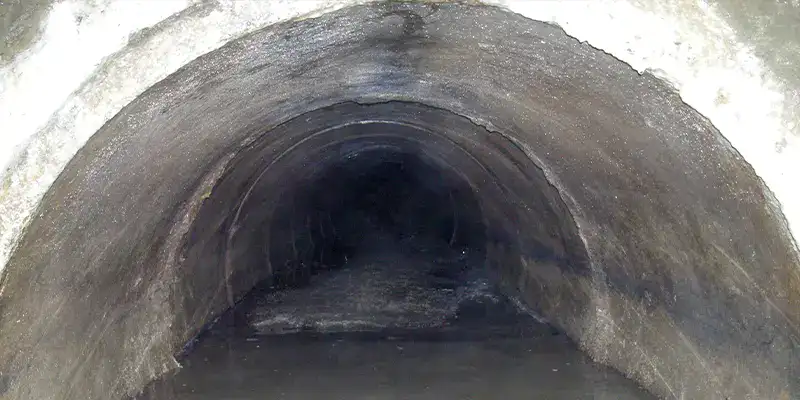
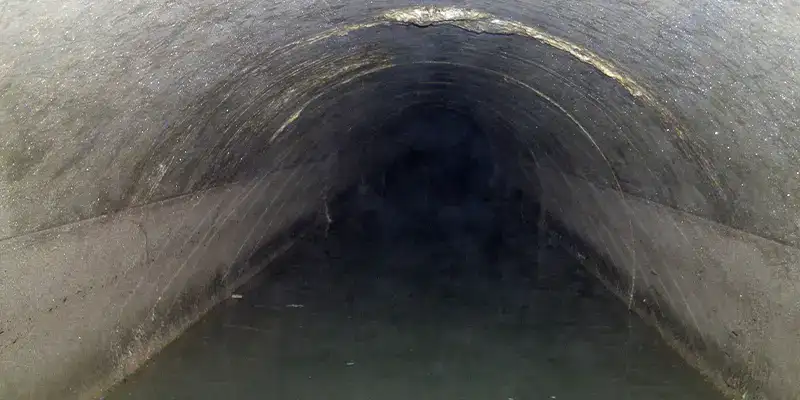
A steel mill became concerned with their stormwater pipeline. Testing the discharge at the end of the pipe revealed that contaminants had infiltrated the pipe through compromised joints. Upon visual examination, it became apparent that debris such as gravel had worked its way into the pipe as well. A trenchless solution was preferable.
Engineered Solution
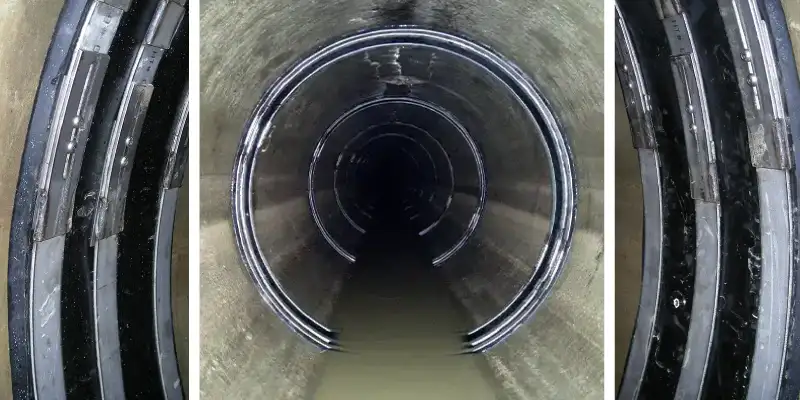
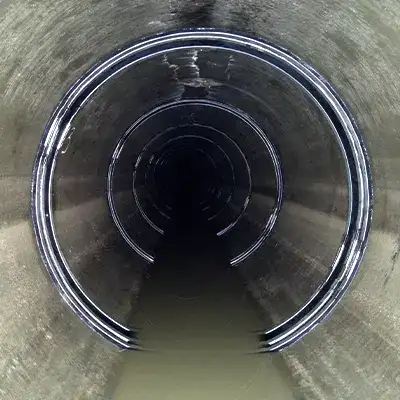
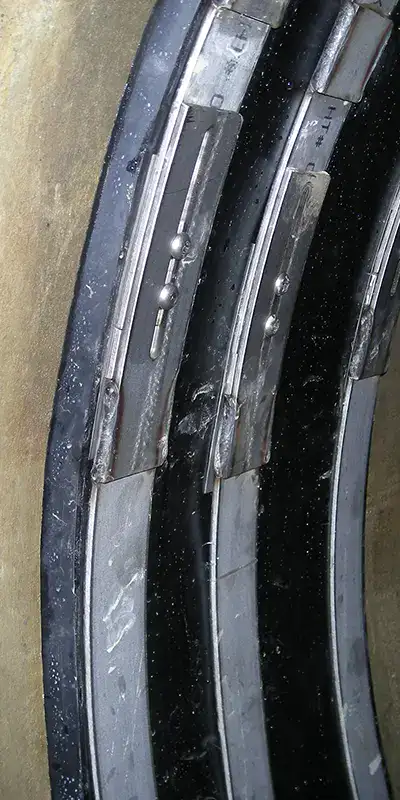
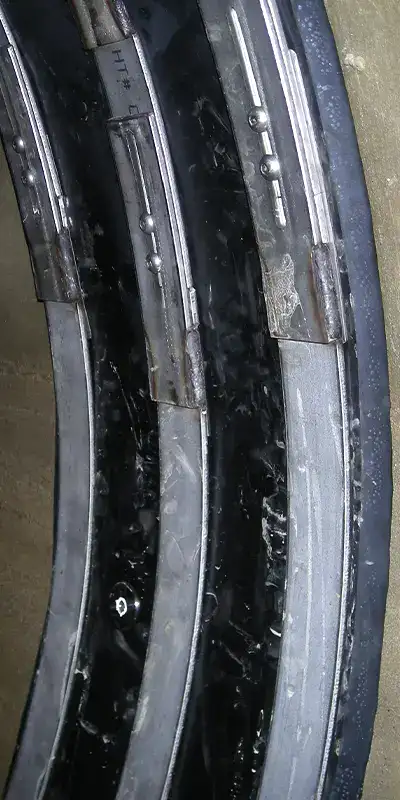
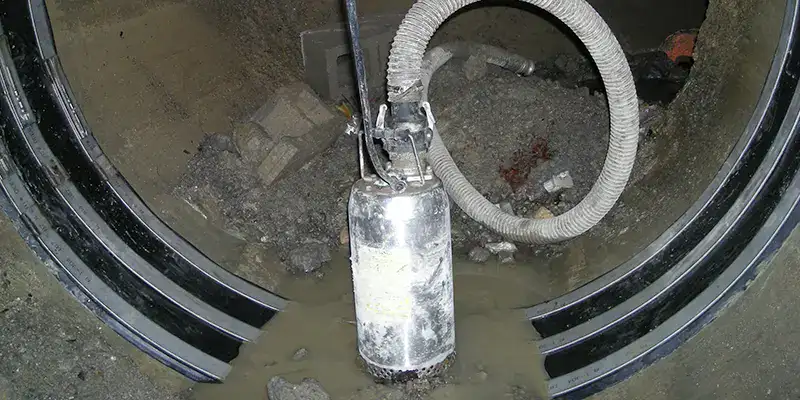
To avoid the high cost and inconvenience of dig-and-replace options, extra-wide HydraTite seals were chosen to repair the points of concern.
Scope
The first couple of weeks were focused on cleaning out the debris and scraping away calcium from the surfaces near the joints that needed to be sealed. Over the next week, 66 seals were installed.
Solution
In only three weeks, the joints were sealed, and additional testing revealed that the contaminants were no longer entering the pipe. This trenchless solution was cost-effective and time-efficient.